


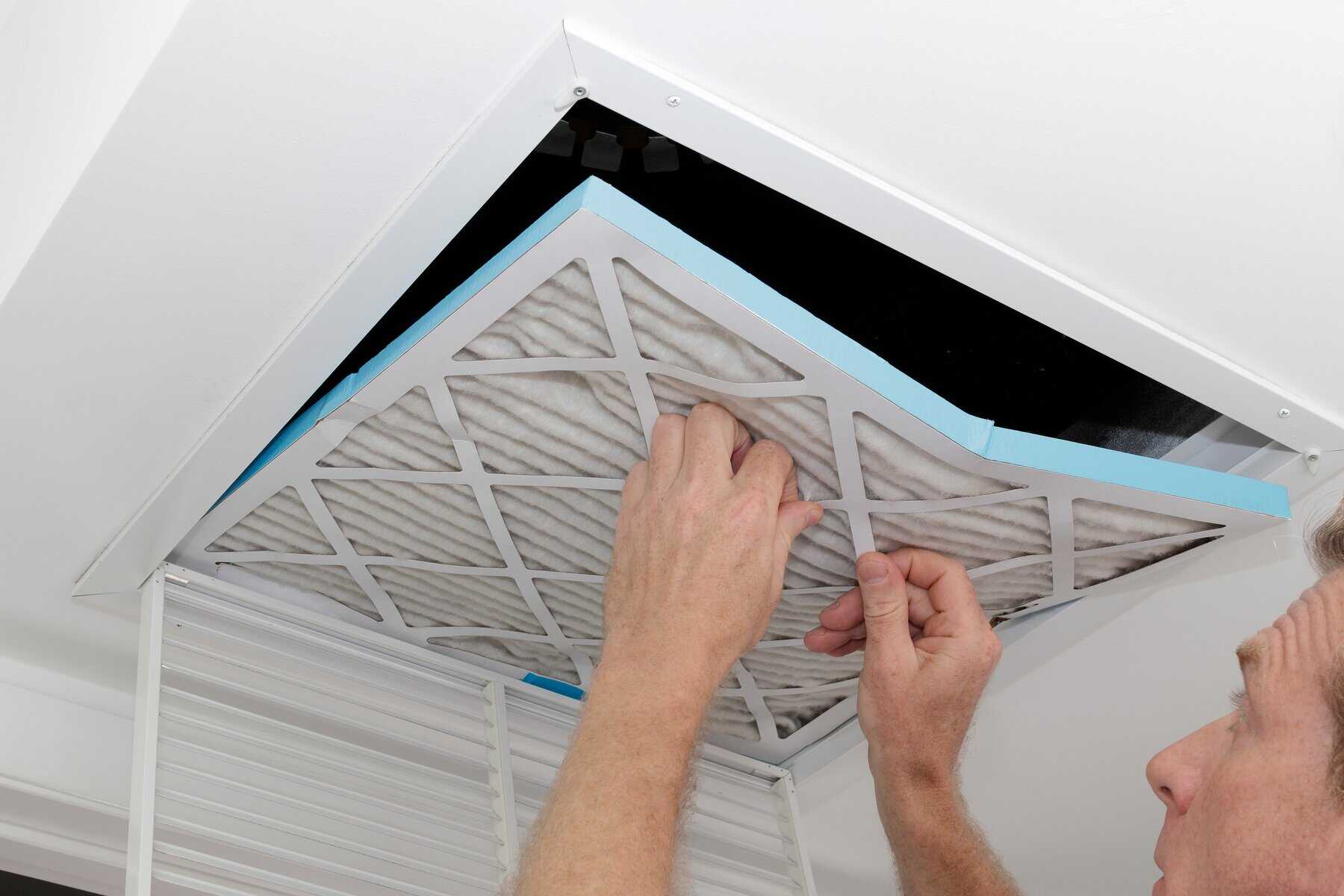
Whether you’re upgrading your forever home or preparing to sell your home, installing a new HVAC system is a big decision. Beyond the initial cost, the choices you make when selecting an HVAC system can impact your comfort, utility costs, and long-term value. Knowing what to expect before work begins can help homeowners avoid common mistakes and make smart decisions from the beginning.
In this Redfin article, industry experts detail what homeowners need to know before installing a new HVAC system and how to turn that guidance into practical next steps.
1. Proper sizing is more important than most homeowners realize
One of the most common mistakes in HVAC is assuming that a larger system will perform better. In reality, size directly affects equipment comfort, efficiency, and wear.
“Before installing a new HVAC system, homeowners should make sure it is the right size for their home,” says TF O’Brien, an HVAC contractor in Long Island, New York. “Bigger isn’t always better. A system that’s too large can cycle too often, wasting energy, and reducing comfort.”
Josh Wayman, president of Sanitair Air Duct Cleaning in Salt Lake City, Utah, adds that relying on the size of older units often creates problems. “Homeowners need to make sure their system is properly sized based on actual load calculations, not just older units,” he explains. “The wrong size will result in shorter cycles, moisture issues, uneven comfort, and higher bills.”
When choosing an HVAC system, a professional contractor should evaluate square footage, insulation, windows, ductwork, and actual home usage. This step lays the foundation for long-term performance and helps avoid problems that occur immediately after installation.
2. Check the ducts and air flow before installing new equipment
New HVAC equipment cannot compensate for poor ductwork. If there is a problem with the ducts, there will be a problem with the system.
“It’s wise to evaluate your ductwork and airflow first,” says Wayman of Sanitair Air Duct Cleaning. “Leaks, reduced returns, or ductwork restrictions can reduce performance even in new systems.”
Homeowners should consider having their ducts inspected, sealed if necessary, and professionally cleaned before installation. Adequate airflow maintains a constant temperature, improves indoor air quality, and reduces energy waste. From a real estate perspective, well-maintained ductwork can reassure buyers that no home system has been overlooked.
Read>> Seasonal Home Maintenance Checklist
3. Evaluate hidden problems in existing systems
Understanding why the old system performed poorly can help prevent the problem from repeating on the new system.
“Homeowners should make sure their existing systems are properly evaluated, including refrigerant levels, electrical components, and coils,” says Dennis Laliberte, chief operating officer of Sarasota, Florida-based home improvement company Wrench Group. “Underlying issues can affect the performance of new units.”
If electrical failures, refrigerant issues, or airflow issues remain unresolved, the new system may carry over those inefficiencies. Addressing these issues early can help homeowners make better decisions when choosing an HVAC system and prevent avoidable setbacks.
4. Look beyond price when comparing efficiency and features
It’s tempting to focus on initial cost, but long-term performance depends on more than price.
“Don’t base your selection solely on the price of the equipment,” advises Wayman. “Compare efficiency ratings, ask about proper refrigerant charge and start-up testing, and make sure the installer has permits and registers warranties.”
A more efficient system will lower your monthly energy bills and appeal to future buyers. More importantly, the correct installation method is just as important as the equipment itself. “Quality installation with proper airflow and setup is just as important as choosing the brand, and it promotes comfort, longevity and true efficiency,” says Wayman.
5. Adjusting the timing of HVAC installation can improve results
Installing a new system can affect how smoothly the process runs.
“Homeowners should plan installations during milder seasons to ensure they test their systems and thermostats before the busy summer and winter seasons,” recommends Laliberte of Wrench Group.
Installing in the spring and fall gives you time to identify and fix problems without extreme temperatures. For sellers, this timing also reduces the risk of HVAC-related surprises occurring during home inspections and showings.
6. Easy HVAC Installation Checklist for Homeowners
Before using an installer or system, it helps to take a step back and review the basics. Use this checklist as a quick reference when choosing your HVAC system.
Make sure the system is sized using proper load calculations and not an older unit Inspect, seal, and clean ducts as needed Address any electrical, refrigerant, or ventilation issues from existing systems Compare efficiency ratings and long-term operating costs Ask about permitting, warranty registration, and start-up testing Schedule installation for milder seasons if possible
Checking these boxes upfront can help avoid costly fixes later and make the installation go more smoothly.
final thoughts
Installing a new HVAC system is more than just replacing old equipment. Proper sizing, ductwork evaluation, efficiency planning, and smart timing all play important roles in choosing an HVAC system that performs well and adds value to your home.
By working with a qualified professional and understanding the details upfront, homeowners can avoid common pitfalls and make home upgrades that improve comfort and support both daily living and long-term home value. For some homeowners, a home equity line of credit (HELOC) can also make major upgrades like HVAC installation more manageable by spreading the cost over time.
