


“I Have a Dream” is a world-famous speech (given in August 1963), and excerpts from it may still be beautifully quoted decades later. But could you please quote an excerpt from “Where Do We Go From Here?”
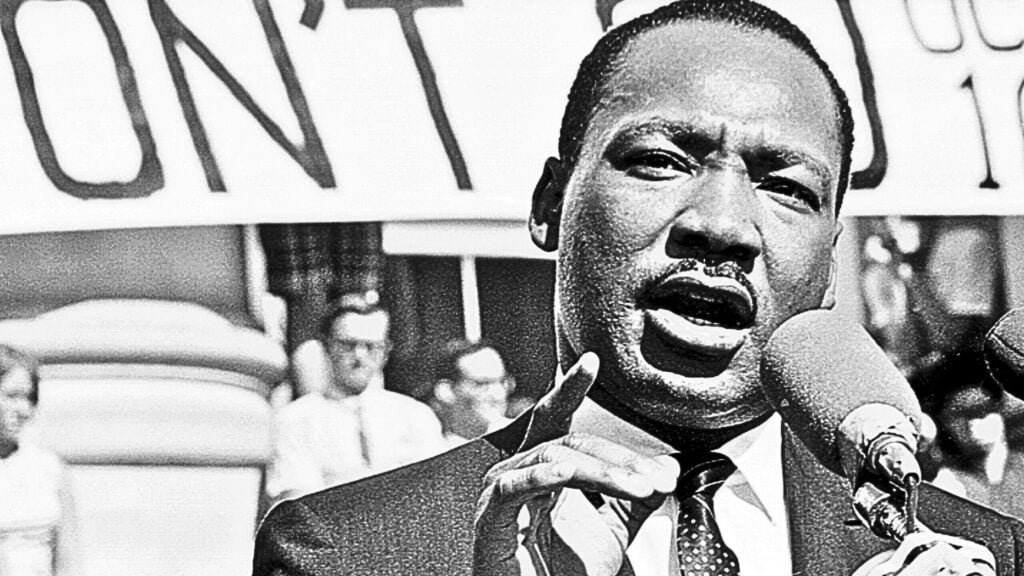
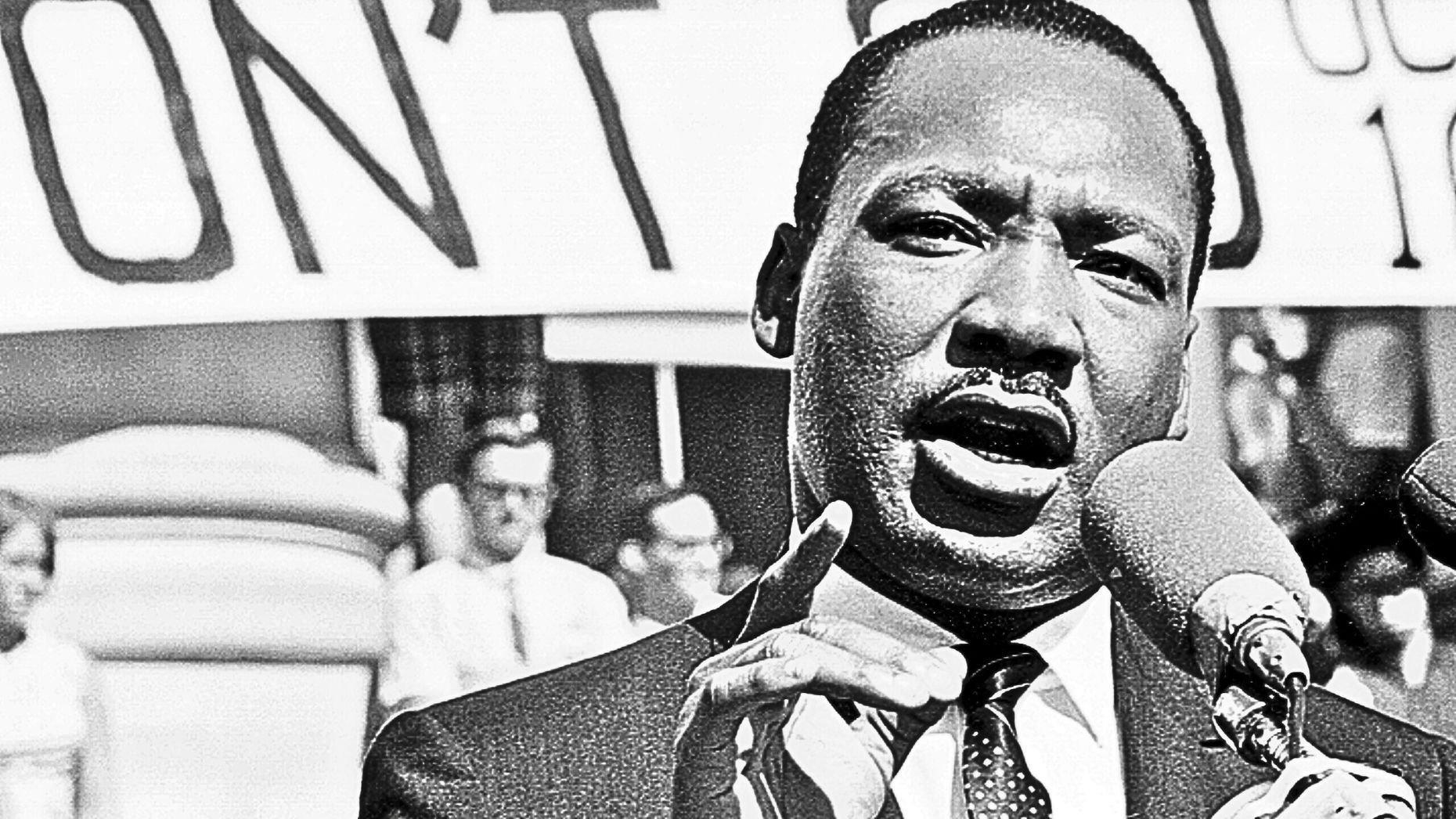
Photo credit: Unseen Histories on Unsplash
In August 1967, with less than a year left to live, the Rev. Martin Luther King Jr. spelled out more than just a dream for the civil rights movement: our collective responsibility. As we celebrate Dr. King’s 97th birthday, it’s time to embrace his dream for America, especially alongside his responsibilities in real estate.
“And before we discuss the great responsibilities we face in the coming years, let us take stock of our deliberate actions and activities over the past year.” Dr. Martin Luther King Jr.
First, Dr. King reflected on how far we had come as a nation through the American Civil Rights Movement. This involved everyone from students like my father, who participated in the Mississippi Children’s March, to elders of the time like W.E.B. Du Bois, writing, marching, donating, driving, organizing, speaking, boycotting, and much more (a reminder that there is more than one way to get involved and inspire change).
To sum it all up, Dr. King declared:
“We have had our government write new laws to change some of the cruelest injustices that have affected us. We have raised an apathetic and apathetic population out of its torpor and summoned its conscience to appear before a moral tribunal on the whole issue of civil rights.”
Did you know that during the U.S. Civil Rights Movement of the 1950s and 1960s, former slaves were still alive? (My father’s great-grandmother, affectionately known as “Big Mama,” escaped slavery at a young age). It’s a reassuring statement: “Change is coming” (rest in peace, Sam Cooke), and speaks to the amount of fortitude that is still needed, in line with Dr. King’s parting words in this speech: “Let us recognize that the arc of the moral world is long, but it bends toward justice.”
From there, Dr. King spends about 30 minutes explaining that heavy responsibility (interestingly, he didn’t call it a burden) during his speech. The responsibility of those of us in the real estate industry can be summarized as using the industry’s tools – market access, capital flows, and professional influence – to repair the “grossest injustices” of the past and build an equitable future where everyone has access to the “promised land” of safe, secure and dignified housing.
It requires a shift from passive fair housing compliance to active fair housing advocacy driven by “God’s displeasure,” especially as federal enforcement and funding are reduced.
God’s dissatisfaction
“God’s displeasure” is the feeling you get when you look at recent statistics on inequitable housing and realize that some in the real estate industry may still be turning a blind eye. It’s the discomfort you might feel when you hear coded comments about “that area.”
It’s the feeling we feel when we see the same pattern of not being shown into homes in certain communities, similar to how some of our living parents and grandparents were similarly rejected. Dr. King’s message in 1967, urging us to channel that dissatisfaction into better ways of doing business (what I call the “fair housing decoder”), still resonates in 2026.
This isn’t just about cool t-shirts and catchy hashtags (those are the beginnings). It’s about power, or what Dr. King defined as “the ability to achieve ends.” We all have power within our networks as long as we remain quiet.
When many people, myself included, spoke out about the dangers of 50-year mortgages, the current presidential administration announced within the last week that it would put mortgages back to square one. Again, we all have influence.
6 easy ways to use your influence to decipher housing inequity
1. Learn why the area you serve looks the way it does, based on specific history, not just vague market trends. Find out how your neighborhood got here:
Was there a red line? (Check here to see if there’s a redline map in your neighborhood.) Restrictive covenants? Highway construction that wiped out communities? Urban flights? Urban regeneration? Other forms of movement with little or no compensation? Steering? Subprime financing? A blockbuster? Professional exclusion of agents, lenders, appraisers, etc. based on currently protected classes such as nationality, gender, race, etc. Denial of U.S. Veterans benefits such as residential rehabilitation programs? A city at dusk?
2. Audit your own algorithms, not just legally but ethically. Are your lead generation practices, social media ads, “preferred lender” lists, etc. inadvertently replicating old red lines?
3. Call out loud. Challenge language that undermines fair housing (including fair lending) in our offices and forum threads. What stories do you hear and tell about “good” and “up and coming” neighborhoods? “Upscale neighborhood”, “no playgrounds” and “best condo for singles” are often not neutral terms in real estate advertising, but they can indicate that inequitable housing is a problem.
4. Treat all prospects (and we mean ALL of them!) with the absolute respect they deserve, respecting what King calls “who they are,” regardless of their background or identity.
5. Develop a business plan for how you can better serve people living in areas that have historically been underserved or avoided altogether.
6. Use your position within boards, associations, and industry leaders (such as the “chain stores” mentioned in Dr. King’s 1967 speech) to advocate for fair practices, inclusive marketing, and investment in historically excluded, underfunded, or underserved communities.
Excerpt from the “Fair Housing DECODER” class, which focuses on inequitable housing practices that have existed and still exist in various regions of the United States.
Let’s be real. Posting a black square on Instagram or having a “fair housing” page on an intermediary site is a beginning, not a pinnacle.
Dr. King called it “hypertension of faith and anemia of deed.” We have written down our creed, our slogan, our logo, and our code of conduct that aligns with our framework. But what about the act? As federal public housing continues to shrink, on-the-ground efforts are needed now more than ever.
Real estate professionals understand better than most people that a home is more than just a property. For people who have been denied access to land and homeownership in the United States for generations, housing restores dignity, heritage, and built wealth. It is about righting what Dr. King called “the cruellest injustice.”
In 2026, regardless of the political climate, let’s continue to advocate for a housing market that actually deserves the word “fair.” Ultimately, let’s strive to leave this profession in a fairer state than we found it.
Lee Davenport is a licensed real estate broker, trainer, and coach. Follow her on YouTube or visit her website.
