


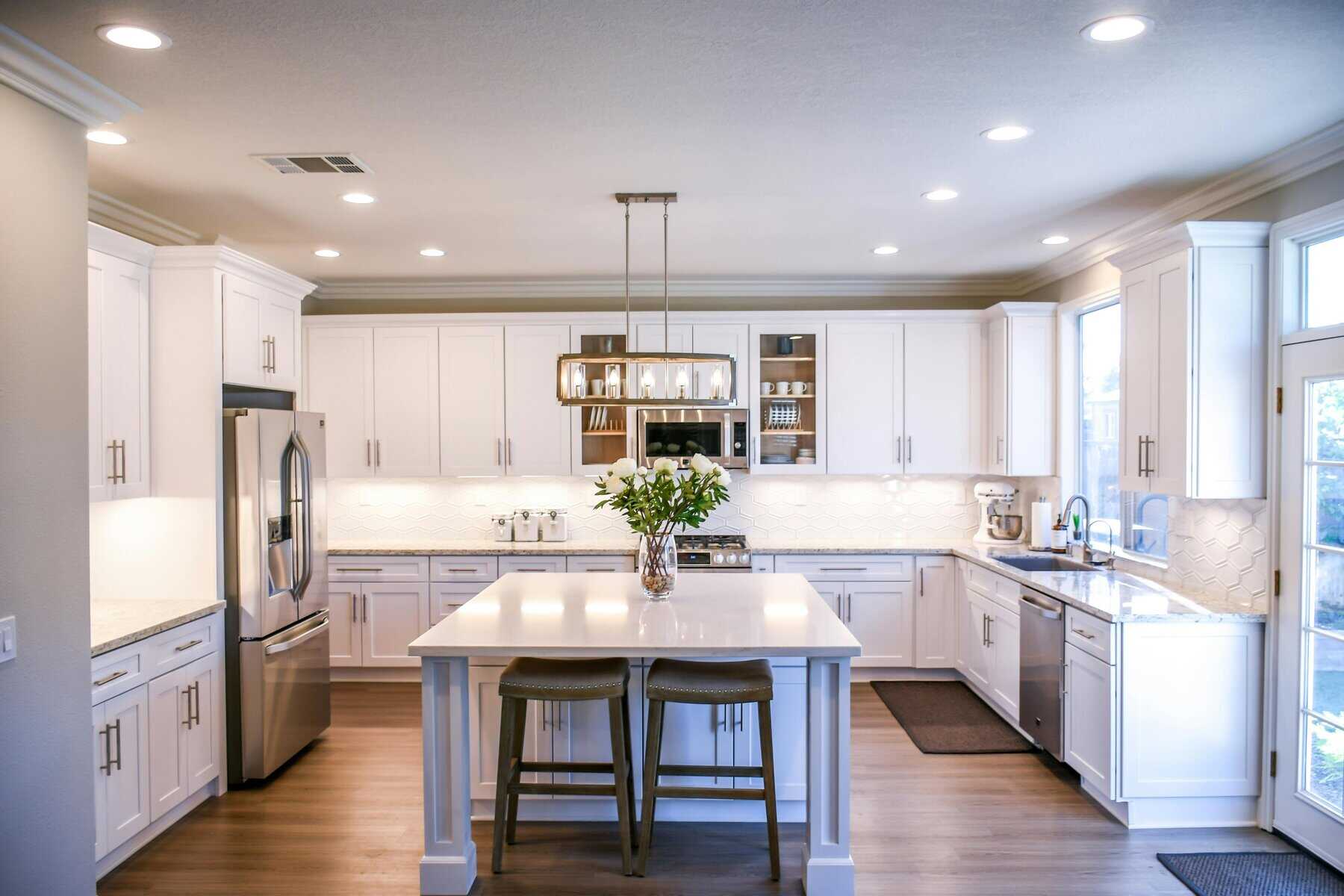
When you’re browsing homes or viewing showings online, you’ll likely see the phrase “move-in ready” everywhere. Sounds simple at first glance. A move-in ready home should be a place where you can walk in, drop off your belongings, and start living right away. That idea is correct, but you need to understand a little more so you know exactly what to expect before making an offer.
Whether you’re comparing homes in Knoxville, TN or preparing to tour a home in Denton, TX, this guide will help you understand what move-in preparation entails and what to expect.
The basic meaning of move-in ready
Our move-in ready homes are safe, functional, and ready to live in from the moment you receive the keys. All major systems such as plumbing, electrical, heating and cooling should be working as expected. Most homes should also have basic kitchen appliances in good working order. The structure of your home also needs to be sound to avoid leaks, sagging floors, and safety concerns right away.
This means that move-in ready homes don’t require any repairs before you can move in. You may choose to update your style choices, paint colors, and flooring later, but your comfort from day one shouldn’t depend on those upgrades.
Expectations for housing that can be moved in immediately
When a buyer sees a “move-in ready” home, it’s easy to imagine a new home with clean, updated spaces. Although new paint and modern finishes aren’t necessary for a home to be considered move-in ready, many sellers make these home upgrades to attract buyers who want an easy transition.
Common features buyers look for in move-in ready homes include:
Appliances in working order Clean and functional bathrooms Windows and doors that open and lock properly No major electrical or plumbing issues Secure steps, decks, and railings Roof and foundation in good condition
One misconception is that move-ready always means new or stylish. Even a home with old tile, outdated countertops, or 10-year-old light fixtures can be certified as move-in ready. The key requirement is that everything works correctly and safely.
Why move-in preparation is important in the purchasing process
Move-in-ready homes make the transition easier because they don’t require immediate repairs. This is especially helpful if you’re using Timeline, don’t want to manage contractors, or are a first-time buyer. It also makes budgeting easier by reducing unexpected costs after closing.
These homes often stand out on resale as many buyers prefer properties that don’t require major construction work. This broad appeal helps build equity over time.
How to make sure your home is actually move-in ready
This term can be used loosely in marketing, so always check the condition of your home by:
Professional inspection Disclosures from the seller Walk-through to test appliances and systems Questions regarding roof, HVAC, and water heater age
Working with a knowledgeable real estate agent can also help you identify viable homes and avoid any surprises.
Frequently asked questions about ready-to-move homes
Does move-in ready mean everything is new?
No, move-in ready homes may have older finishes or outdated styles selected. What is important is that all systems and functions operate safely and properly.
Does the home need cosmetic updates before it can be considered move-in ready?
Cosmetic updates are optional. A home does not need new paint, updated fixtures, or a modern design to be certified as move-in ready. As long as the property is livable without repairs, it is sufficient.
Should appliances be included in a move-in ready home?
Many move-in ready homes come equipped with basic appliances such as a stove and dishwasher. However, this may vary depending on the seller. It is always best to check what is left on the property.
Is a move-in ready home better for first-time buyers?
Maybe so. Move-in-ready homes reduce the stress of early repairs and allow first-time buyers to get up to speed quickly. Major fixes aren’t needed right away, so it’s easier to budget for.
