


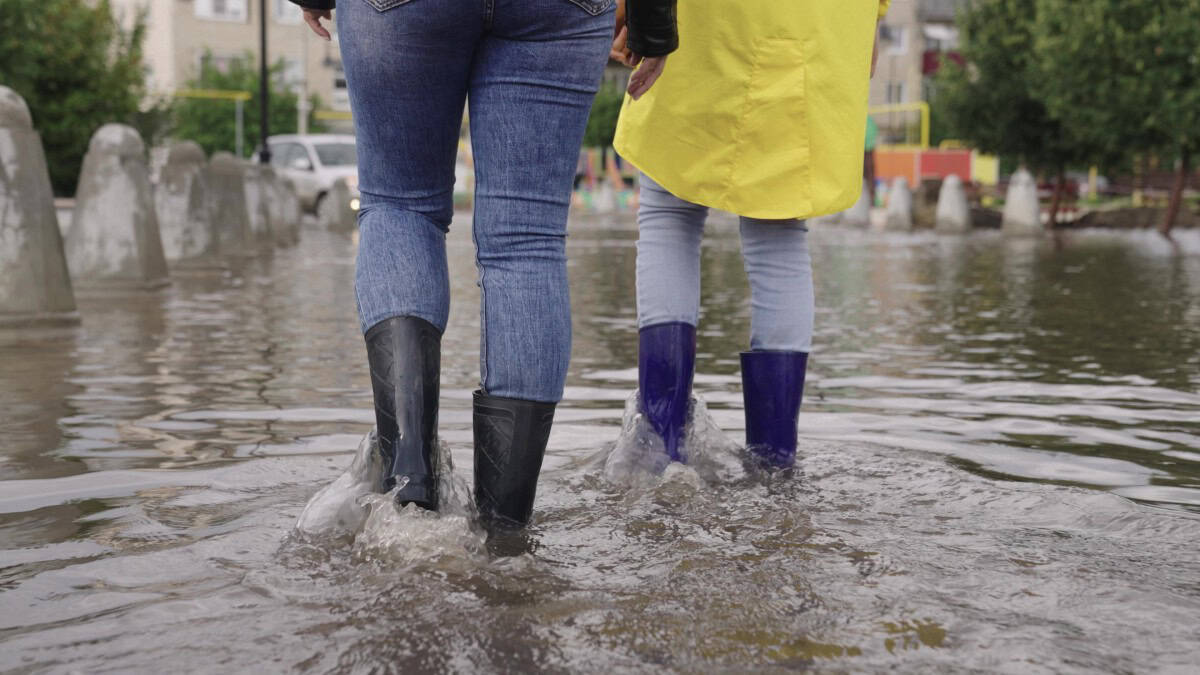
Recent flooding across Washington has disrupted daily life for many families and neighbors, particularly in parts of Skagit, Whatcom, Snohomish, and King counties, where rising rivers and heavy rains have caused evacuations, road closures, and property damage.
At Redfin, our hearts go out to everyone affected by the flooding in Washington state. Below, we’ve gathered trusted resources to help you find ways to keep residents safe, access recovery and housing assistance, and support your community through this time.
Instant Safety: What you need to know now
Flooding can remain dangerous long after the storm has passed, and conditions can change rapidly as rivers recede, so it is important to exercise caution and rely on official guidance from local authorities before traveling, returning, or assessing damage.
If you need state-specific information, the trusted sources below provide the latest alerts, flood situation reports, and guidance on what to expect in the hours and days ahead.
These pages explain how to interpret flood warnings, what types of hazards may linger after a storm, and what government agencies recommend during and after a flood event. Please check these official resources regularly for the most accurate and timely information as the situation changes.
Where to get help quickly
If you or someone you know is evacuated or in need of immediate assistance, the following organizations and programs can connect you to immediate support and critical services.
Emergency evacuation and assistance
Residents who have been forced to evacuate or are in need of immediate assistance have access to emergency shelter and essential services through the American Red Cross Washington Flood Assistance.
The Red Cross is on the ground in flood-affected areas and providing:
Safe emergency shelter. food and water. For families in need of blankets and supplies.
If you are evacuated, the Red Cross can help connect you with nearby shelters and partner services.
Local flood response and community support
Local agencies and community organizations are often the best place to find timely, county-specific assistance. If you’ve been affected by flooding, start with the resources below, depending on your area.
skagit county
Skagit County Community Action coordinates flood response and recovery efforts across the county.
The resource hub includes:
Distribution of sandbags and flood control guidance. Food, hygiene products, and community support services. Utility and rental assistance. Disaster Cash Assistance Program (DCAP) information.
whatcom county
Whatcom County residents can find local flood updates, evacuation directions and emergency resources here through the county’s emergency management agency and partner agencies.
Snohomish County
For Snohomish County residents, local emergency management agencies provide flood warnings, preparedness guidance, and recovery resources. Residents can find information about road closures, evacuation advisories, and available support services here.
king county
The King County Flood Management District provides the following tools and information to help residents prepare for and respond to flooding.
Flood risk maps and alerts. Preparation and evacuation planning tools. Latest information on sandbag locations and flood response.
Federal and state aid programs
In addition to local resources, state and federal programs may also be available to help residents recover from loss and disruption caused by flooding. This includes temporary housing assistance, home repair assistance, unemployment assistance during disasters, and low-interest loans for individuals and small businesses.
Disaster assistance (FEMA etc.)
Residents affected by flooding in Washington may be eligible for federal assistance if a disaster declaration is issued. This includes:
Temporary housing support. Grants for home repairs and necessities. Low interest disaster loans. Unemployment support after unemployment due to disaster.
Please apply or check your eligibility at the Disaster Support Desk. This official portal is where you can start your application, learn about assistance programs, and find the documents you need to support your claim.
Housing, insurance, and recovery steps
If your home has been damaged by flooding in Washington state, it’s natural to feel overwhelmed. Taking some important steps early can help you move forward and access the help you need.
document everything
Take photos or videos of the damaged area before cleaning. Keep invoices and receipts for repairs and temporary accommodations. Track all communications with contractors or insurance companies.
flood insurance
Most homeowners and renters insurance policies do not cover flood damage unless you have a separate policy. If you are unsure:
Check FEMA’s mapping service (Flood Maps) for flood areas and risks, and consider purchasing flood insurance if you don’t already have it. Visit FloodSmart.gov for flood coverage options.
How to support your neighbors
Recovery doesn’t happen all at once. You don’t have to be directly affected to actually make a difference. Here are some meaningful and caring ways to help those affected.
1. Monetary donations
Several local organizations are accepting monetary and in-kind donations to help communities affected by the Washington floods.
2. Volunteer opportunities
Organized volunteer work can provide meaningful support without burdening response teams. If you would like to participate, please consider the following options:
Volunteer platforms with disaster response organizations like the American Red Cross and VolunteerMatch that connect volunteers with approved opportunities.
Avoid volunteering in flood-affected areas unless invited by a public authority. Volunteer efforts work together to ensure safety and help reach communities where it is needed most.
3. Donate supplies
If your local shelter or response group has published a list of specific needs (diapers, pet food, bottled water, etc.), those items are most helpful. Uncoordinated supply can put a strain on local staff.
4. Disseminate reliable information
Help your network find accurate, up-to-date guidance by sharing the following:
Local evacuation shelter information. State and federal aid links. Safety guidance from official sources.
Reliable information reduces stress and confusion during recovery.
Wildlife and animals affected by the Washington floods
Flooding not only affects people and homes, it can also displace wildlife and endanger pets and livestock. During and after Washington’s floods, animals can migrate to strange locations in search of higher ground.
What you need to know:
Wild animals may appear in your neighborhood or on the roads. Flood waters may be contaminated and unsafe for animals. Stressed or injured animals may behave in unexpected ways.
If you encounter a wild animal, keep your distance and avoid rescuing the animal yourself. Seek guidance from your local Washington Department of Fish and Wildlife (WDFW) office or licensed wildlife rehabilitator.
For pets and livestock:
Evacuate the animal if possible and include it in your emergency plan. Keep pets away from puddles. Watch for signs of illness or injury after a flood.
Those wishing to help can support local animal shelters, wildlife rehabilitation centers, or pet-focused relief efforts assisting animals displaced by the Washington floods.
Mental health and emotional support for the Washington floods
Experiencing a flood or evacuation can take a toll not only physically, but mentally as well. Stress, anxiety, sadness and fatigue are common reactions during and after disasters, and support is available.
If you or someone you know is struggling, the following resources may be helpful.
By dialing 211 or visiting wa211.org, residents can find connections to mental health services, housing assistance, food assistance and other community resources.
