


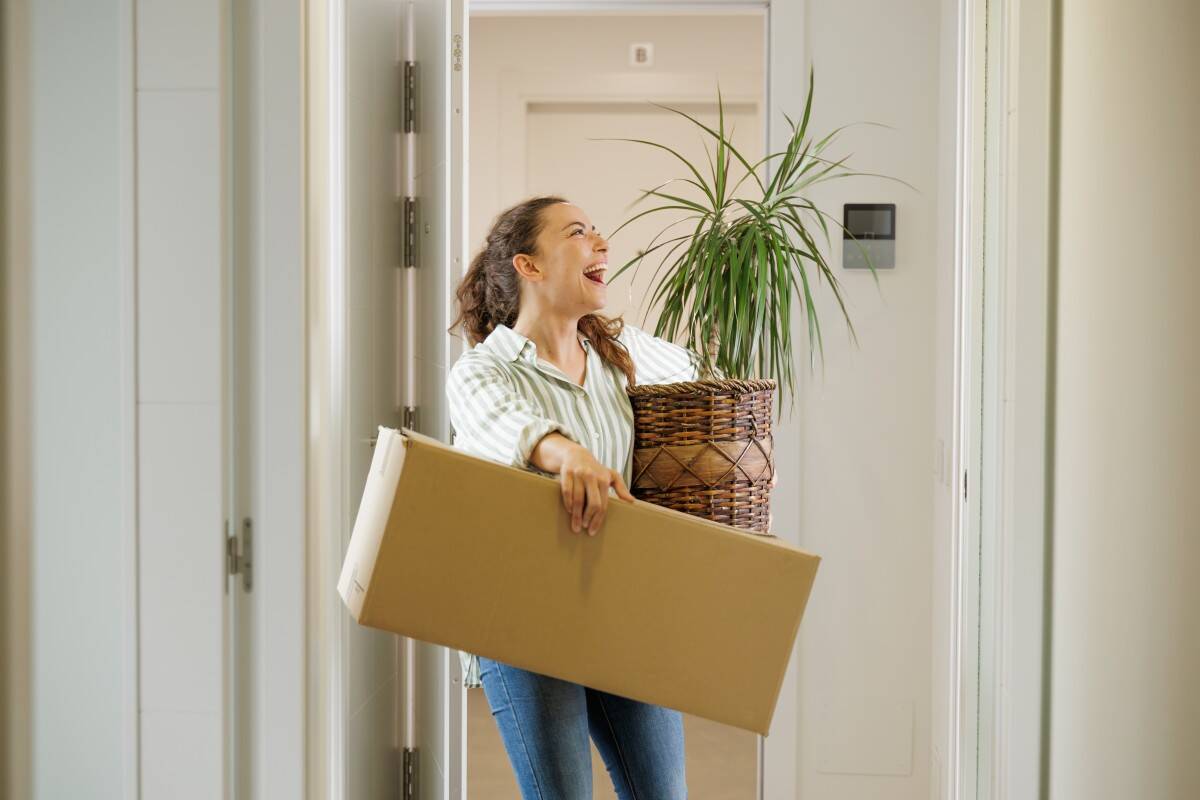
Packing your entire house in three days may seem impossible, but with the right system, it’s absolutely achievable. The key is to move in a clear order, avoid backtracking, and follow a room-by-room plan to keep your home functioning until the very end. This guide details what to pack, when to pack, and how to stay organized on tight deadlines.
Whether you’re moving from a five-bedroom home in Houston or a studio apartment in Seattle, these tips will help speed the process while minimizing the stress inherent in packing your entire life into boxes and leaving.
3-day room-by-room packing plan
A quick move requires a strategy that starts with items you rarely use and ends with rooms you use every day. Packing in a purposeful order allows you to make steady progress without stopping your routine early.
Day 1: Start with the least used space
Start with an invisible storage zone where rarely used items are placed. Rooms such as the garage, guest room, basement, and attic typically contain items that you won’t want to miss for more than a few days, such as decorations, seasonal items, tools, and extra bedding. Clearing these spaces first will free up prep space for future packing and will make it easier to move around the rest of your home while you’re packing. This is also a great time to organize your gear and put away anything you haven’t used in a while to donate.
Day 2: Continue room by room
On the second day, we moved indoors. Complete each space completely before moving on to the next to maintain momentum and avoid ending up in a half-stuffed zone. Bedrooms, closets, and utility areas are usually as simple as emptying drawers, filling with wall art, consolidating linens, and labeling boxes by room and category.
Disassemble minimally used furniture and leave hardware attached.
Disassemble any large or bulky furniture that you no longer need before moving day. To avoid searching for small hardware parts later, place the screws and brackets in a bag and tape the bag directly to the furniture panel or frame. These small steps will make your move-in go smoothly and prevent future frustrations.
Take photos of electronic devices and complex setups
Before you unplug your TV, router, gaming system, or desktop setup, take a few quick photos from multiple angles. These images will serve as a roadmap for reassembling everything back together. Plus, taking this small step will save you a lot of time on moving day when you’re tired and surrounded by boxes.
Day 3: Pack the kitchen and bathroom last.
Your kitchen and bathroom will always be functional, so don’t pack too early. On your last day, start with extra items like pantry items, small appliances, and extra towels and unopened toiletries. Keep everyday items like common pots, some utensils, medicine, and a toothbrush accessible until the last minute.
Pack an overnight bag and a clearly labeled “first day” box
An overnight bag should feel like a suitcase for short trips, including a change of clothes or two, toiletries, medicine, and chargers. A separate day-one box should contain practical household essentials, such as basic tools, cleaning supplies, a few dishes, trash bags, and anything else you know will be readily available in your new location. It’s also a good idea to have space in your car to store these essentials so they don’t get lost in a moving lorry.
Create a “no-packing” zone for documents and essentials
Choose a place to store passports, financial documents, birth certificates, prescriptions, deadlines, bills, etc., such as the kitchen counter or an empty dresser drawer. Keeping them protected will ensure that nothing important gets buried in a mystery box. Be sure to pick them up before closing the door for the last time.
Choose your packing strategy: zone, man-to-man, beachhead
Different homes and households can benefit from different approaches.
Zone-based strategies are ideal for small homes or solo moves where structure is needed, as they focus on completing one room before tackling others.
A one-on-one approach involves dividing up your home by assigning rooms or categories to everyone you help move.
A beachhead strategy starts by creating a cluttered space (often a garage or warehouse) and creating an open work area. This open space will become a preparation zone for sorting the rest of the house.
Hacks to make packing faster and easier
Color coded box with multicolored tape
Assign a tape color to each room and wrap a strip around the top or sides of each box. Movers can instantly know where every box belongs, even from a distance.
Guide your boxing and stacking with new floor plans
Let’s think ahead to new spaces. If you plan to turn your second bedroom into an office, label the boxes accordingly. This will prevent confusion on the day of move-in and ensure a smooth move-in.
Apply the three box method (keep, donate, trash)
The three-box method will help you be more decisive when packing. By making quick decisions in the moment rather than later, you can reduce what you need to pack and unpack.
Reuse containers creatively by hanging clothes in bags
Create an instant garment bag by placing a garbage bag over the hanging garment and tying the top. Rolling suitcases are ideal for storing heavy items such as books. Pots, pans, and baskets can also be used as kitchen towels and food containers.
Create placeholder boxes and central supply stations
Designate one place for tape, markers, scissors, and plastic wrap so you don’t have to search for supplies. Having a few pre-assembled empty boxes nearby will keep the momentum going.
Wrap fragile items in a towel and secure with plastic wrap
Towels, T-shirts, blankets, etc. make great and effective cushions. Use plastic wrap to hold the bundle together and keep it in place.
Pack your kitchen last, unpack it first
The kitchen is usually the most complex and frequently used room in the house, so leaving it for last will ensure you won’t have to interrupt your meal midway through, and tackling it first in your new home will allow you to get things back to normal in a more opportune time.
Pack a box that says “Please open first”
Think of this as your welcome box when you move into your new home, containing dish detergent, a few plates, basic tableware, hand soap, paper towels, and other essentials.
These moving hacks will help you reduce the time and stress that inherently comes with packing up your entire life in a few days.
Clothing, shoes, books, jewelry: quick pack method
The best way to pack clothes and shoes
Rolling your clothes reduces wrinkles and saves space. Store heavy fabrics at the bottom of the box. Shoes should be stuffed with socks or wrapped individually to prevent chafing. Avoid oversized boxes as they will become too heavy when filled with clothing.
How to efficiently pack jewelry and books
Necklaces can be threaded through straws or wrapped individually to prevent tangling. Books should be placed in small or medium-sized boxes so that the weight is easier to manage and the box does not bend during transport.
Use suitcases with casters for heavy or difficult-to-carry items
Suitcases with wheels are ideal for storing dense items such as textbooks, hand weights, files, and small appliances. Leave the heavy lifting to the wheels. It’s not a bad idea to get your own cheap dolly, especially if you don’t want to hire professional movers.
Logistics that saves you time during your moving week
Preparation: Materials, Help, Utilities, Email Forwarding
Before you start your three-day sprint, gather everything you’ll need, including boxes, labels, tape, wrap, tools, and cleaning supplies. Get mobility help, schedule utility shutdowns and activations, and set up email forwarding. Handling these tasks first will prevent interruptions later.
Organize: Organize, group items, inventory, donate
A simple tidying up will make your packing process smoother. Group similar items together and create a quick inventory of fragile or important boxes so you can keep track of them while on the move.
Packing: Label clearly, wrap fragile items, and keep track of important boxes.
Clear labels on multiple sides of the boxes can make a big difference when movers are stacking them. Mark fragile items explicitly and keep expensive boxes easily accessible.
Deep clean and final walkthrough
Once the room is empty, wipe down all surfaces, sweep the floors, and do a final check on shelves, drawers, and appliances to make sure nothing was left behind.
How to quickly clean up a messy house
If your home feels cluttered, start with the areas that will make the biggest visual impact immediately. Think countertops, tables, and floors. Gather loose items into bins or baskets so you can quickly sort them without getting stuck. Establish a simple rhythm of grabbing, arranging, and packing. Reducing visual clutter early makes the rest of the process less stressful and more efficient.
Tips by room: bedroom, kitchen, bathroom
Bedrooms are best packed if you follow the order from top to bottom. Remove decorations and art, empty nightstands, pack closet items, then remove bedding.
For the kitchen, break down the process into categories: appliances, pantry items, tableware, and finally household items.
Bathrooms usually fill up quickly. Throw out anything that’s expired, pack extra items, and save everyday amenities in your overnight bag.
When to start packing and what to pack first
If you have advance notice, start with unnecessary items, such as decorations, off-season clothing, books, and rarely used kitchen tools. The same hierarchy applies for last-minute moves. It simply moves faster. Always pack items you can live without first, and save the essentials for last minute tasks.
The fastest way to pack and move: DIY vs. hire help
Using a DIY approach gives you control and saves money, especially if you’re moving a small house, apartment, or short distance. However, it takes time, energy, and proper planning.
Hiring a professional can speed up the entire process by moving materials, packing them efficiently, and handling the heavy lifting. If you have a larger home or a tight deadline, hiring help may be your best option.
How to prepare to move within 3 days FAQ
Should I hire packers or movers?
Professional packers can box up your entire home in a fraction of the time, often just a few hours. Movers also manage the disassembly, loading, transportation, and reassembly. Their expertise can help reduce damage and stress, but you may want to handle your personal belongings, documents, and valuables yourself. If time is your main constraint, it may be worth calling in a professional.
What is the 3-3-3 rule of packing?
The 3-3-3 rule, originally a travel rule, limits you to three tops, three bottoms, and three accessories. If you’re traveling, this can help you create a 3-day overnight kit. Minimizes essentials and makes it easy to carry.
What is the quickest way to prepare for a move?
Work from the least-used areas to the most-used areas, decluttering, clearly labeling, and photographing electronics along the way, and saving kitchen and bathroom essentials until last. A systematic room-by-room process prevents wasted time.
What does a packer not pack?
Professional packers typically avoid hazardous chemicals, pressurized containers, firearms, opened food, perishables, cash, and important documents. Be sure to ask your moving company for a complete list of exclusions.
Final thoughts on packing for the move in 3 days
Packing an entire house in three days can be a daunting task, but it’s not impossible if you follow a clear plan. By starting with the rooms and items you use least, saving essentials for last, and maintaining a steady rhythm, you can turn a chaotic process into a manageable and even motivating sprint. Developing small habits like color-coding, labeling as you work, and preparing a few boxes as you need them will minimize stress and help you transition smoothly into your new space.
Whether you decide to pack everything yourself or enlist the help of a professional, an organized approach will make a big difference. With focus, preparation, and smart strategy, your belongings will be well prepared and ready for moving day on time.
