


E-Learning or Homeschooling? What’s the best for you?
Let’s start with similarities as we look at the differences between these two approaches. E-learning and homeschooling are ways in which individuals can receive education. The approach is different, but the ultimate goal is to get education.
eLearning
Learning through digital platforms such as distance learning universities is one aspect of e-learning. A tutor or instructor will teach online courses through distance learning. The structure of these e-learning colleges is similar to the structure of traditional schools, including schedules and grades. It is evaluated in a variety of components, including quizzes, assignments, and final exams. Older students choose e-learning more often, but there may be choices for younger children who use it for certain courses that are difficult to learn through homeschooling.
What are the advantages of e-learning?
eLearning offers a flexible aspect and allows you to study anywhere. There is a wide range of courses that someone can take. Higher education can be costly, so e-learning could be a more affordable option. Learners can check the materials as needed. Feedback tends to be much faster than if a course was taken in college. It’s accessible to a larger audience. Encourage self-discipline.
Cons of e-learning
Students need to manage their own time. E-learning tends to not include face-to-face interactions. The course you study does not give you practical experience. Technical issues such as internet issues can prevent you from completing the course. You may not receive the immediate support you get in the classroom. Extensions on the device can cause glasses.
Homeschooling
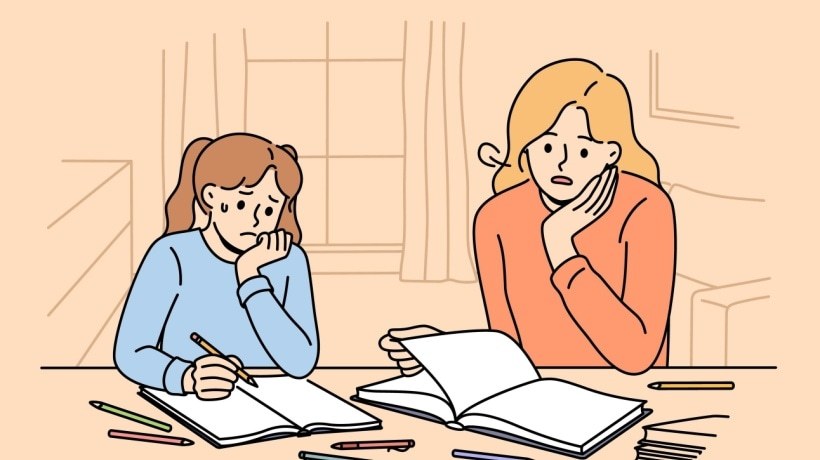
Homeschooling usually requires parents to educate their children at home. There is a flexible approach to learning, but some parents may choose to take a more structured path for their children. Parents may use a variety of resources, so the final assessment is ultimately up to them. This may include exams or allow the child to advance further education courses. Homeschooling is generally aimed at school-age children and can benefit many children with mental health needs and special educational needs. They may need this. Schools and children with additional needs are reduced and lost in the school education system.
What are the advantages of homeschooling?
Students can receive a personalized education. Homeschooling allows for flexible schedules. It helps to strengthen family ties. Homeschooling can be a safer learning environment. Socialization can occur in the settings of your choice. Students with special educational needs (SEN) can receive additional support that may not be received at school. Homeschooling is also great for your child’s mental health, especially if their child is suffering from school anxiety.
What are the disadvantages of homeschooling?
Parents must be committed to educating their children. Parents may not be experts in all subjects. You must be in charge of your child’s social life. You may have little access to resources such as labs and libraries. There may be a gap in children’s education.
How do I combine e-learning with homeschooling?
Many parents may use e-learning courses along with traditional homeschooling processes. This can be used to supplement your learning with new and interesting courses, especially if students can choose the course that appeals most. Learning science through e-learning, for example, may be a specific curriculum that parents wish to follow. Putting the internet at your fingertips also allows parents to choose online homeschooling courses that will help them get their children on track for their age.
So, what is the conclusion? Both e-learning and homeschooling can provide alternatives to traditional education. They cater to different needs at different times in a person’s life. Each of them has a different structure and different aspects, which benefit each person. Both require either a tutor or a parent to oversee the course. However, e-learning requires a greater need for spontaneity.
Ultimately, there is no right choice, and it depends on what a person needs, the resources they have access to, and the family situation. Many people can benefit from both approaches by blending both homeschooling and e-learning. Whether students are looking for flexibility or tailored education, each can benefit someone on their educational journey.
