


Here’s how to turn this diversity into strength
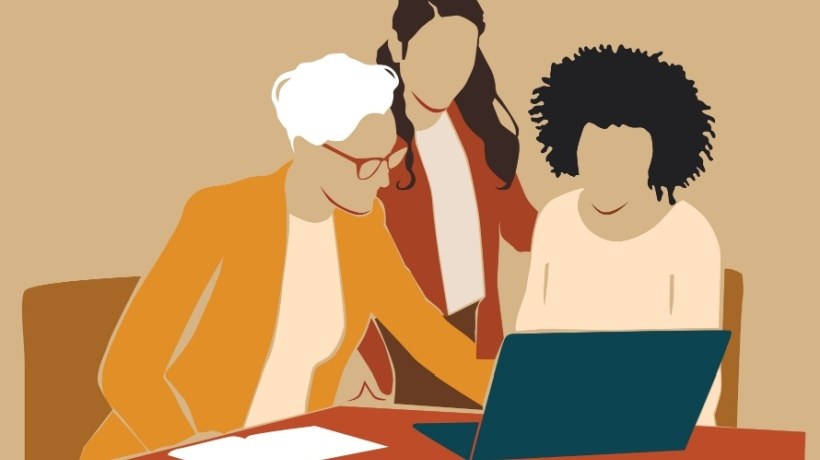
Modern workplaces are older than ever. With up to five generations working side by side, today’s teams represent a wide range of backgrounds, values, communication styles, and life experiences. When an organization recognizes and embraces the diversity of this different generation in the workforce, it becomes more than a demographic fact. That will be a strategic advantage.
Why is this important? Each generation brings a unique perspective shaped by the cultural, technical and economic changes they have experienced. From recent graduates who have just joined the employee to professionals who have been in their careers past the traditional retirement age, everyone has something meaningful to contribute.
Digital ency, institutional knowledge, adaptability, and fresh perspectives are not exclusive to any age group. These qualities surface across all generations in many different forms. The key is to understand where each group shines and how their strengths complement each other. If teams take time to understand these differences, collaboration improves, assumptions fade, and mutual respect increases.
What generational differences can tell us
This is a simple snapshot of what each generation of the workforce brings to the table (a broad summary not set on stone, of course).
Traditionalists
Born before 1946, they are often known for their loyalty, consistency and deep institutional knowledge. Many have experienced dramatic changes in workplace culture and technology, which can provide insight into long-term trends. According to Gallup, the average retirement age is currently 62, up from 59 in the early 2000s. It shows that many experts continue to contribute far beyond traditional timelines.
Baby Boomer Generation
Born between 1946 and 1964, this generation usually places a strong focus on work ethic and personal accountability. Many people play leadership roles and provide a direct experience in navigating complex organizational dynamics. Their mentoring is especially valuable in supporting young employees’ career development.
Generation X
Born between 1965 and 1980, this generation is often recognized as independent, adaptable and practical. Growing up in the rise of digital technology, it serves as an effective translator between a more analog-centric and digital native generation. The ability to bridge communication styles and work habits is important for teams that go beyond function.
Millennials
This generation was born between 1981 and 1996 and tends to prioritize collaboration, work-life balance, and a sense of purpose. They age alongside the internet, mobile technology and social media, providing a deeper understanding of digital trends and a flexible approach to change. Many millennials are now taking on a career-middle leadership role, affecting workplace culture in meaningful ways.
Generation Z
From the present day, born in 1997, they bring digital ency and positive thinking. Although they are often associated with technology, their contributions go beyond digital expertise. Gen Z speaks up about the need for inclusion, social responsibility and transparency, urging organizations to think more intentionally about values and impact.
A real opportunity? Learn from each other for different generations of the workforce
Generation differences need not be the source of division. Approaching with openness and curiosity creates powerful learning opportunities. The goal is not to smooth out differences, or create spaces for meaningful exchanges, but insights are shared, ideas are challenged, and collaboration is encouraged.
What one generation considers as a second nature may be the growth area of another generation. For example, Gen Z employees may provide quick insights into new digital tools, while baby boomers may provide historical context that strengthens their strategic planning. Together, these perspectives create a more balanced and thoughtful approach to solving problems. Companies that create spaces for these exchanges, such as mentorship, reverse mentoring, and team-based learning, will benefit from not only knowledge transfer, but also from stronger and more connected teams.
Five actions you can take to enhance intergenerational collaboration
Acknowledge and understand the characteristics of generations
Take your time to learn about the generational traits and life experiences that shape how people work. Understanding these nuances can help build empathy and help your team work more together.
Encourage open communication and knowledge sharing
It supports a culture where ideas and experiences flow in both ways. Set up cross-functional collaborations with mentorship programs that allow people to learn from each other regardless of age or title.
Avoid stereotypes and emphasize personality
Generational trends help us understand patterns, but do not define individuals. We approach each person as someone with a unique perspective, strengths and communication style.
Use your strengths to promote innovation
Combine employees with complementary skills to induce creativity. Digital First Gen Z team members and strategic Gen X colleagues can create something more powerful together separately.
Promote inclusiveness through tailored training
Provides training to support inclusion across age groups. When training is accessible, relevant and collaborative, it becomes a powerful tool for generational understanding and team growth.
Final Thoughts: Different Generations of the Workforce
Each generation plays a role in shaping the future of work. The more you value these contributions and create space for them, the stronger your team will become. When we intentionally embrace generational diversity, we not only create better working relationships, but also unleash new levels of collaboration, creativity and performance. It is a true triple threat and is done right.
