


AI and students: Changing learning methods
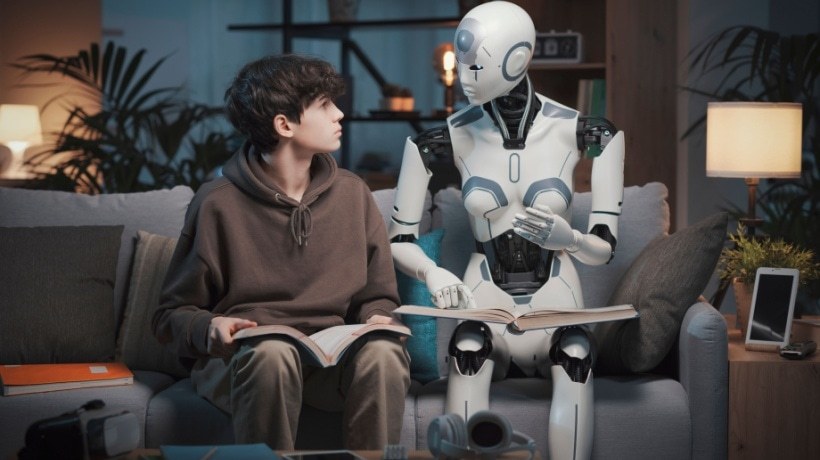
Students studied very differently decades ago. It was all normal long ago, heavy textbooks, learning sessions, stacks of notes, waiting for teachers to grade assignments. But today, AI has changed the way students learn in so many ways. From personalized learning apps to AI-powered tutors who provide immediate feedback, students have virtual learning peers that make learning smarter, faster and more engaging. But what exactly does this mean for students and how does AI change the learning experience?
AI is becoming more popular because it is a practical tool in education. It can be an e-learning platform, digital classrooms, and even a daily app used by students to study. AI in Education aims to make student learning more efficient and tailored to your needs. Instead of all students following the same path and learning the pace, AI can adapt to how each learns best. However, AI in education does not replace teachers or traditional methods of learning. Instead, it’s about improving the student’s experience. Below we explore the strengths and weaknesses of students using AI as research and shed light on the cases of techniques that shape learning.
Benefits of students using AI to study
Personalized learning
Personalized learning means adjusting your education to the unique needs of each student. Instead of forcing everyone to track the same pace and material, the AI-powered platform analyzes how students learn, what they struggle with, and topics they already excel at. Additionally, it tracks student progress, recognizes performance patterns, and adjusts difficulty accordingly. For example, if someone is struggling with mathematics, a system with AI will provide additional exercises and simplify the concept. It also adapts to a variety of learning preferences. Whether students learn best through video, practice, or listening, AI can present information, but it works for them.
Instant Feedback
Many students incorporate homework and assignments, wait a few days or weeks to find out how they did it. By then, they’ve probably moved on to a new topic, making it difficult to learn from their mistakes. This is a common problem in traditional education. On the other hand, using AI allows AI-powered research assistants to provide immediate explanations instead of waiting for teachers to grade your work. Students can ask questions and within seconds they will have answers and guidance. The biggest advantage is immediate feedback. When students receive a real-time correction, they can quickly correct mistakes. This provides a more positive approach to learning that involves material rather than passively remembering. Furthermore, this system helps students explain why they were wrong and improve their understanding.
Interactive content
AI transforms passive learning materials into dynamic and interactive experiences, keeping students engaged and maintaining concepts for longer. Why does interactive learning work better? Well, when we actively engage with them, we remember things more easily. For example, AI can create simulations that allow medical students to practice surgery in VR. Similarly, history students can experience ancient civilizations in a 3D environment. Science students can carry out virtual experiments and test theories in real time. These experiences make learning more memorable and exciting and cannot be compared to static content. And don’t forget to gamify. AI-powered platforms use challenges, rewards, and adaptive learning paths to motivate students. So instead of hating studying time, they look forward to unlocking achievements and increasing their skills because it’s like a game.
Accessibility
AI also helps students with learning disabilities. Tools such as text-to-speech, speech-to-text, and AI-powered reading assistants can help students with dyslexia, ADHD, or vision impairment engage with content in a way that suits their needs. AI can also pace lessons and provide additional explanations and simplify concepts in ways that make learning more manageable. There are also AI-powered translation tools and language learning apps that make studying in a second language much more overwhelming. AI can explain terms, provide real-time translations, and even show pronunciation that traditional textbooks can’t.
Resource Management
Studying can sometimes feel overwhelming, especially when you need to study multiple subjects, deal with deadlines and do many projects. It is where AI comes in to help students manage their research resources more efficiently. See, AI is a resource management expert. Students no longer have to struggle to search PDFs or find what they are looking for. AI-powered tools allow students to instantly organize, summarise and even retrieve information, saving their search time. Students can have an AI assistant who scans all study materials, highlights important concepts, and creates personalized study guides just for themselves. Instead of spending hours sorting notes, you get a structured summary focusing on what’s important.
Potential drawbacks
Overdependence
AI is a great tool, but it needs to be used wisely. One of the biggest concerns is that students may start to rely on too many. The question is, if students are just copying the responses generated by AI without actually understanding the concepts, then are they really learning? The solution here is balance. Teachers and students should consider AI as research partners, not a substitute for their efforts. Instead of blindly copying AI answers, students need to question, analyze and enhance what AI offers.
bias
AI works by analyzing large amounts of data, which can even show human bias and social stereotypes. For example, if students learn about history and data on which AI is trained using AI-powered tutors, if there is a biased perspective, students will learn a biased version of the event. Similarly, AI can unintentionally enhance stereotypes. For example, if AI learns from patterns that reflect gender, race, or socioeconomic bias, it may suggest careers in ways that limit student opportunities or provide outdated ideas about who can do what. This prevents some students from pursuing their true interests and talent.
Privacy issues
As AI tools track student progress, store data and provide a personalized experience, they collect a lot of sensitive information. This creates privacy issues that require careful attention. In the first place, where does all that data go? If you are not properly protected, you risk falling into the wrong hands. Imagine hackers who have access to student personal information include academic weaknesses and performance trends. So, are students or parents fully aware of what data is being collected and how it is being used? Many AI tools in education have vague privacy policies that make users unclear. AI companies may also share student data with third parties, such as advertisers and researchers.
Conclusion
AI is a powerful tool that works well alongside teachers and students, making learning more personalized and efficient. But like any other tool, we need to use it fairly. More precisely, students should consider it as a supplement and improve their experiences rather than replacing human interactions or critical thinking. Responsible use will show you more personalized learning paths, interactive simulations and immediate support in the future. Ultimately, you can adopt everything you want, but remember that education should be human-centric.
