


All school leaders agree that school budgets are too low, making effective education more difficult than ever. In other words, school budgets have a direct impact on the quality of education, but for school leaders it is not as easy as managing budgets as they do for personal finances. Many people don’t realize that school funding is often associated with local taxes, state allocations, and federal grants. It makes the hard work even more difficult because they have little or no control over silent budgets, such as food service or facility management. We asked about how over 250 school leaders manage school budgets. This is what we found.
Typical school leaders investigated:
Working in public schools (77%) in primary schools (52%) is less than $10,000 per student per year (68%).
Limited funding and rising costs make budgeting difficult for schools to achieve
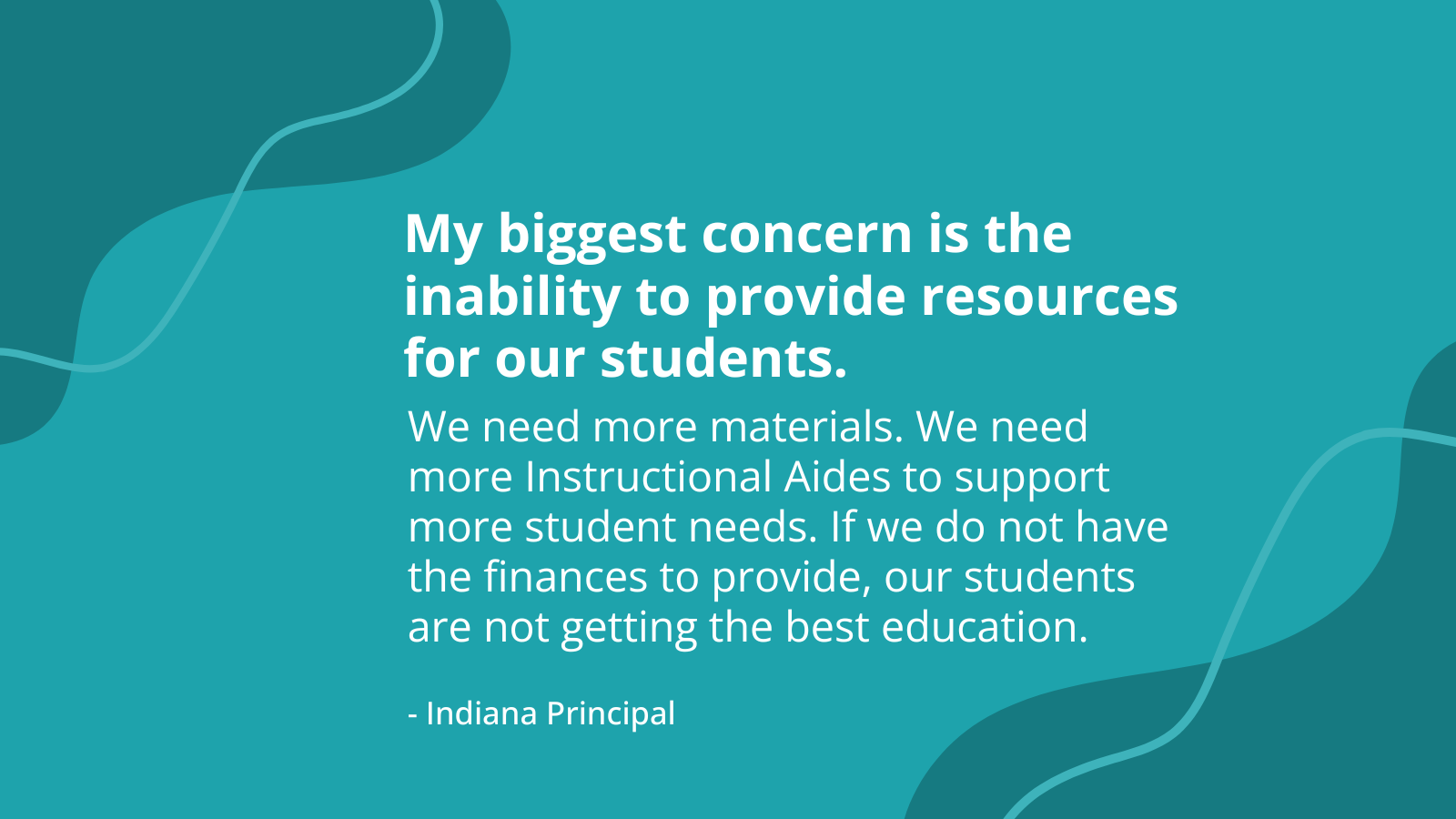
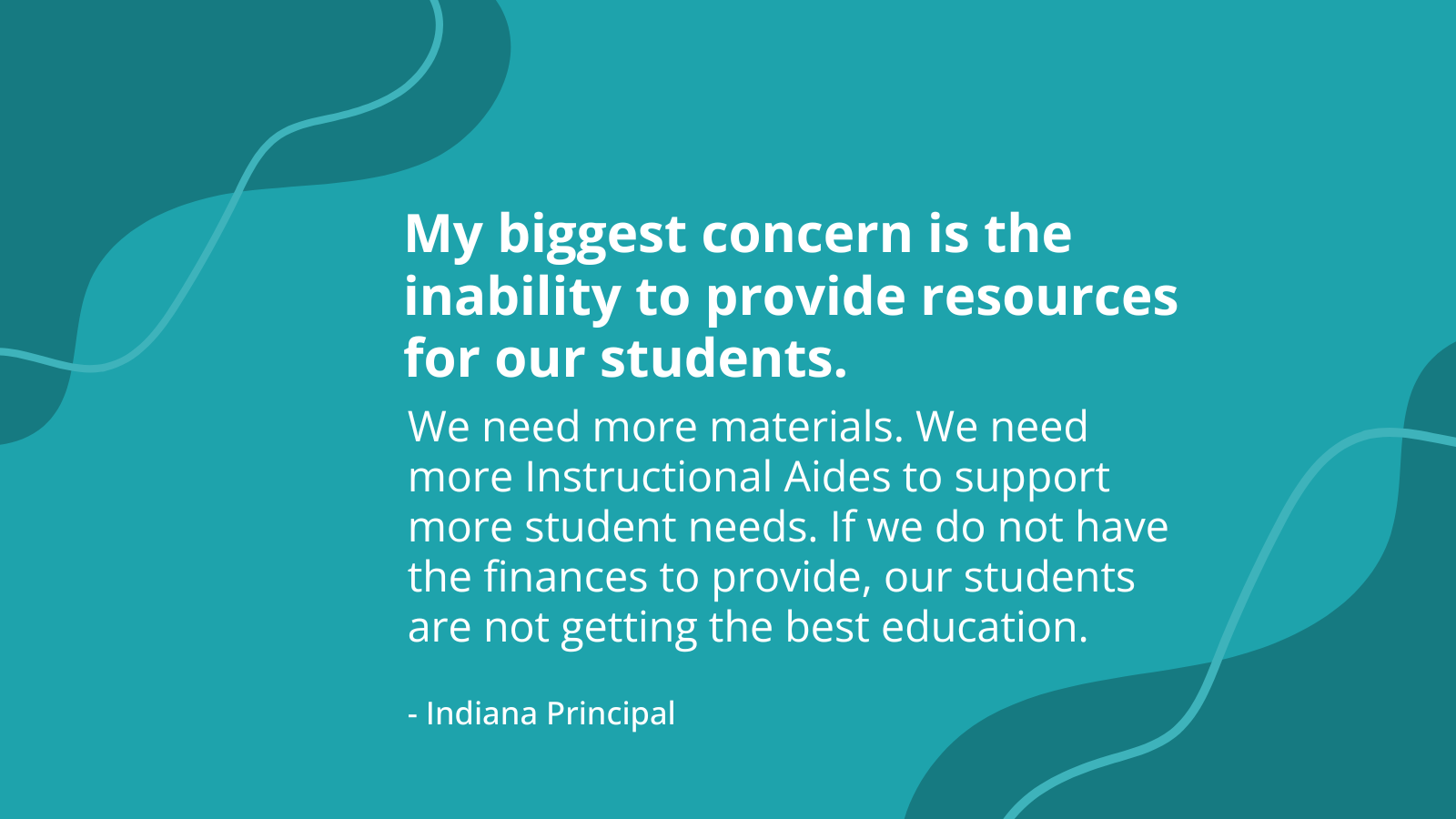
My biggest concern is that I can’t provide resources to my students. More materials are needed. More leadership aides are needed to support the needs of more students. Without the finances to offer, students are not receiving the best education. – Indiana School Principal
56% of respondents reported that school budgets have either declined or remained the same since 2020, but 34% have increased slightly.
This means that most schools operate on stagnant or reduced budgets, making it difficult to cover rising costs. Inflation, which increases the costs of pay, technology and student services, has forced many schools to cut corners or delay necessary investments in education.
29% cited inflation as a major factor behind budget constraints, but many point to the cost of staffing, technology and student services outweigh the funds.
Inflation affects almost every aspect of school management, from purchasing textbooks to paying teachers a competitive salary. If funding isn’t keeping up, schools often have to make tough decisions about where to allocate resources at the expense of student education.
48% of schools reported changes in funding due to changes in student enrollment, leading to unpredictable budgetary fluctuations.
Changes in registration can lead to unexpected funding shortages, especially in states where school budgets are linked to student attendance. This unpredictability makes it difficult for schools to plan long-term improvements and maintain staffing and program stability.
Most of the school’s budget allocation goes to teachers’ pay
69% of school leaders directed most of their budgets towards teacher salaries.
If American school leaders learn only one thing about worrying, wishing, dreaming, having nightmares, that is what teachers pay. This is important as it highlights the tough financial decisions school leaders face. With limited funding, teacher salaries are prioritized because they know that the quality and quantity of educators will have a major impact on student success. This allocation reflects our commitment to investing in people who shape their learning in person every day, although materials, technology and support programs may have fewer resources. Understanding this will help highlight the need to increase school funding to better support both educators and the resources they depend on.
School leaders do not have sufficient opinions or authority regarding budget allocations.
We are teachers *Note: Respondents can choose multiple options, so the percentage may be over 100%.
There are many factors that we can’t control (e.g. costs per teacher and building maintenance costs). There are only a few left, so you can make some site-based decisions, but once you can cover the essential costs, your choice is very limited as you run out of money. – Iowa School Principal
Thirty-three percent of respondents said they have some say in budget decisions, but they do not always cover all their needs.
While some school leaders have voiced their opinions on financial decisions, they are often limited by comprehensive district policies. This gap between decision-making power and financial reality creates frustration and limits the school’s ability to effectively respond to student needs.
45% say the budget is primarily determined by the district or board of directors, limiting direct opinions from principals and managers.
Centralized budgeting means that decisions made at a higher level may not reflect the specific challenges of the individual school. This could result in accidental arranging of funds that do not directly support classroom instruction or student programs.
We are teachers *Note: Respondents can choose multiple options, so the percentage may be over 100%. 17% reported reduced teacher salaries and classroom material due to budget cuts.
Reducing education costs directly affects the quality of education. When teacher salaries are frozen or reduced, it becomes difficult to attract and maintain quality educators. Furthermore, fewer classroom material means fewer students’ resources and may interfere with learning outcomes.
There is a general misconception about school budgets.
I hope more people will understand the limitations of various accounts. In most cases, the school board will provide you with an overall budget. It looks like a lot of money, but the question is how money is allocated (or allowed to be allocated by state). Money rules and regulations don’t just make us move. If you save money in one area, this does not mean you will be given to another area to buy items. – Indiana School Principal
41% of school leaders believe that they generally do not fully understand how school funds are allocated, particularly with regard to limited funds.
Many people believe that schools are free to spend if they receive additional funds. However, much of this money is allocated to a specific program or infrastructure project. This misconception can lead to frustration among parents and community members who have not been directly remedied by classroom conditions.
35% of respondents cited misconceptions about capital projects financing, noting that new school buildings and renovations do not necessarily indicate an increase in operating funding.
When schools build new buildings, it is often through long-term bond measures or separate capital funds that do not increase daily budgets. This will generate a perception that schools are well funded while they struggle to cover basic operating costs.
Many school leaders are concerned about education policy
My biggest worry is that the federal or state government will significantly reduce public school spending and redistributing that money for charter schools and student choices. Our public schools will pay students who have never stepped into our campus. Or we have to make concessions to what we are doing to accommodate them. – Ohio School Principal
40% of respondents expressed concern about political and policy-driven budget changes, including expanding school voucher programs and privatization efforts.
Schools face uncertain financial situations as policymakers discuss the future of public education funding. The transition to school selection and privatization could affect our ability to divert funds from traditional public schools and provide comprehensive services to all students.
Looking at the privatization of public schools, it could become the next generation alternative schools to serve the poorest and most difficult groups with no other options. This includes charter schools and special education groups that many private schools cannot provide services. – Arizona School Principal
26% reported changes in funding due to state or federal decisions, creating uncertainty in their long-term financial planning.
When funding priorities change at the state or federal level, schools need to quickly adjust their budgets, sometimes leading to unexpected cuts. This unpredictability makes it difficult to maintain stable staffing and programming over time.
Here’s how school leaders adapt to school budget situations
They are looking for alternative revenue streams
66% of schools rely on grants as a key source of funding.
With traditional sources of funding proven inadequate, schools are increasingly turning to grants to fill financial gaps. Grants can provide important support, but they are often competitive and are not guaranteed year after year.
50% have been turned into fundraising events to supplement their operational budget.
Fundraising activities such as auctions and community events have become necessary to help schools provide extracurricular programs and essential supplies. However, relying on community contributions places an additional burden on families and educators to secure funding for basic needs.
39% reported partnerships with local businesses and community organizations as a strategy to secure additional funding.
The school forms creative partnerships with businesses and local organizations to fund technology upgrades, after-school programs and facility improvements. These partnerships are useful, but do not replace consistent and equitable government funding.
They prioritize assignments
44% of school leaders said that if they receive a budget increase, they would prioritize teaching expenses, such as teacher salaries and classroom materials.
Investing in teacher and classroom resources directly affects student achievement. Schools recognize that prioritizing education spending can improve educational outcomes and teacher retention.
25% direct additional funding for student services, including counseling and special education.
The growing need for mental health and special education services means that many schools struggle to meet the needs of their students. As funding increases in these areas, schools can hire additional counselors and professional educators.
12% of schools recognize the growing need for digital learning tools and allocate more resources to technology investments.
As education becomes more and more dependent on technology, schools must ensure students have access to updated devices, software, and internet connections. Digital access is important to prepare students for future careers and to close the equity gap in education.
What is the horizon for school leaders?
We will do our best to survive. I hope that school budgets will remain stable. But schools can certainly do more with healthier budgets, allocating funds to maintain the building, extracurricular activities and technology maintenance. – Hawaii Vice Principal
Funding constraints remain a key issue, but school leaders are proactively hoping for solutions through advocacy, alternative revenue streams and strategic spending adjustments. Understanding the realities of school budgets and working together to address them is essential to ensuring students and educators have the resources they need to succeed.
Our friends at Staples Business Advantage want us to know that they understand how difficult it can be to meet school budgets to school needs. That’s why they promise.
Fast Delivery: Get everything the school needs before the 3pm bell. Over 98% of the US are available for next-day delivery. One-Stop Shopping: You can find everything to supply to schools (not just office supplies) including top brands such as cleaning, furniture, technology, and rest rooms. Less Documentation and Improvement Purchasing Power: Staples Business Advantage has published and awarded contracts with the best education cooperatives to eliminate the RFP process and provide purchasing power for thousands of schools. Professional Support: Professionals will be assigned to understand the specific needs of the school.
You have everything to win everything, see the details at Staples Business Advantage.
