


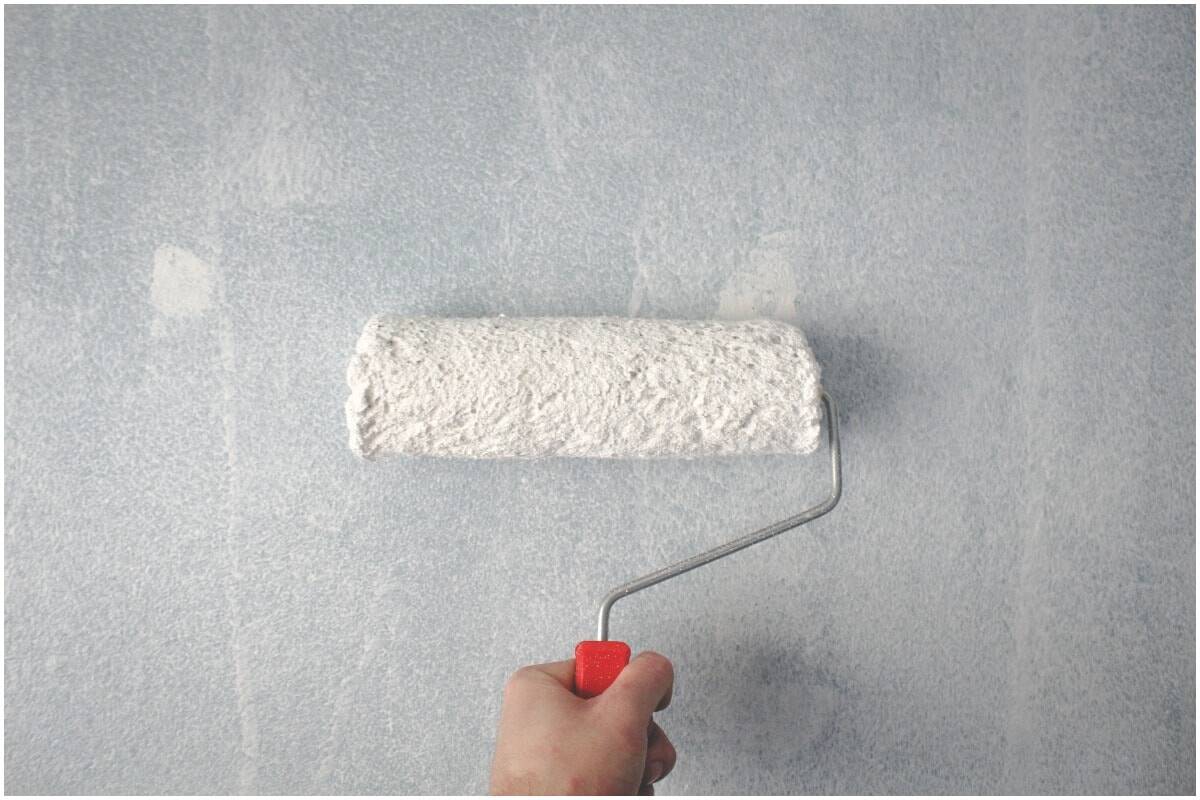
Choosing a paint color for your home can be exciting at first, but it’s often overwhelming when you realize just how many options there are. From subtle hues to changing light throughout the day, a color that looks perfect in the sample can look completely different on your wall. The good news is that with a thoughtful approach, the right paint color can completely transform a space and increase the value of your home.
This Redfin guide provides expert-backed tips to make the process simpler and more manageable. From refreshing a Craftsman home in Portland, Oregon to updating a condo in Miami, Florida, these ideas are designed to work in a variety of homes, styles, and lighting situations.
In this article:
1. Start with a sample
2. Use peel-and-stick samples for added flexibility
3. Pay attention to lighting and LRV
4. Consider undertones and overall color story
5. Test the color in different parts of the room
6. Don’t rush the process
Choosing a house paint color: important points to keep in mind
1. Start with a sample
One of the most important tips for choosing a paint color is to test it in your actual space before committing. Paint can look very different depending on lighting, wall texture, and even the time of day. Therefore, sampling is essential to avoid surprises.
“Be sure to sample your color first. Lighting can dramatically change the appearance of the color, so test it in two coats in both direct sunlight and shade,” says Erica Dillman, architecture representative and color consultant at Farrell Calhoun. “Second, look at the light reflectance value (LRV). The higher the LRV, the more light the color reflects. This will help you choose the right colors for east- and west-facing rooms, which receive more sunlight throughout the day.”
To make the sample work better, try the following:
Test colors on multiple walls to see how shadows and angles affect them. Place samples next to flooring, cabinets, and furniture to get a more complete picture. Limit your choices to two or three to avoid decision fatigue. Consider your top options for a few days before making a final decision.
2. Use peel and stick samples for added flexibility
If you want a cleaner, more convenient way to test paint colors, peel and stick samples are an innovation. Unlike traditional paint samples, these can be moved from wall to wall, making it easy to see how the color will look in different lighting designs and areas of your home without having to limit yourself to one location.
“We always encourage our customers to consider purchasing Samplerise products when choosing paint colors for their home. At Samplerise, we offer large peel-and-stick samples of Benjamin Moore, Sherwin-Williams, and Farrow & Ball,” recommends Kate Figler Interiors. “You can wrap it around a corner and easily move it around the space to see how the color looks on different walls. We love its portability and the fact that clients don’t have to deal with messy sample cans when testing paint.”
Make the most of our peel and stick samples:
Move these around the room and compare how the colors change under different lighting. Place it near your trim, cabinets, and flooring to see how everything works together. Stack multiple samples side by side to easily compare shades. Revisit at different times of the day to capture subtle changes.
3. Pay attention to lighting and LRV
Lighting has a big impact on how the paint color actually looks after it’s applied to the wall. While natural light changes throughout the day, artificial lighting can add warm or cool colors to subtly change the appearance of shadows. This is why a color you like in one room can look completely different in another.
Another important factor to consider is the light reflectance value (LRV), which measures how much light a color reflects. Colors with a high LRV tend to feel brighter and more open, while colors with a lower LRV absorb more light and can create a cozier, more dramatic atmosphere.
Choose a color that suits your space. Keep these tips in mind:
Pay attention to how much natural light there is in the room and what direction the room faces. Use higher LRV colors to brighten small or dark spaces. Consider lower LRV shades for rooms where you want a more intimate feel. Pay attention to the light bulb (light bulb color vs. bulb color) and how it affects the color.
4. Consider undertones and overall color story
Even the most beautiful paint color can look strange if the undertone doesn’t match the rest of the space. Undertones are the subtle shades beneath the surface color, which can lean toward warm, cool, or neutral tones, and play a big role in how everything comes together. By paying attention to these details, you can create a cohesive and intentional look throughout your home.
Kate Figler Interiors says, “When painting trim, cabinets, or ceilings in a shade of white, make sure the particular white coordinates with the undertones you want to incorporate into the rest of your home. For example, a warm creamy white can look very yellow against cool gray walls. So it’s important to pay attention to the overall color story you want to use and make sure the trim and cabinets complement it.”
To keep your color palette consistent:
Identify where your main colors lean (e.g. warm, cool, neutral). Compare paint samples next to fixed elements such as flooring or countertops. Notice how the white changes depending on the surrounding colors. Consider how each room connects to the next for a seamless flow.
5. Test the color in different parts of the room
Where you place your paint samples is just as important as the color itself. Different areas of a room have different amounts of light, shadows, and reflections, all of which change the way colors appear. Testing in just one spot will give you an incomplete image, and the results can be surprising after painting the entire room.
Get a comprehensive understanding of your colors using the following methods:
Place the sample on multiple walls, including walls that receive direct and indirect light. Test around corners, trim, and architectural details that naturally cast shadows. Not only can you see colors at eye level, but you can also see colors from a distance. See how the color looks next to large furniture and decorative items.
6. Don’t rush the process
Although it may be tempting to make a decision right away, especially if you want to see the finished result, choosing a paint color is one step where a little patience can go a long way. After living together for a few days, the colors may appear different. What stands out right away doesn’t necessarily mean you’ll like it long term.
Take your time so you can feel confident in your decision.
Consider your top color choice for a few days before committing. Recheck the sample at different times of the day and notice any subtle changes. Rather than deciding all at once, narrow down your options gradually. If the color feels consistently right, trust your intuition.
Choosing a house paint color: important points to keep in mind
There’s no need to stress about choosing the right paint color as you test samples, consider lighting, and keep your overall color story in mind. Small details like foundation and finishes can make a big difference in the way a space looks. With patience and a thoughtful approach, you can find the colors that truly make your home feel perfect.
